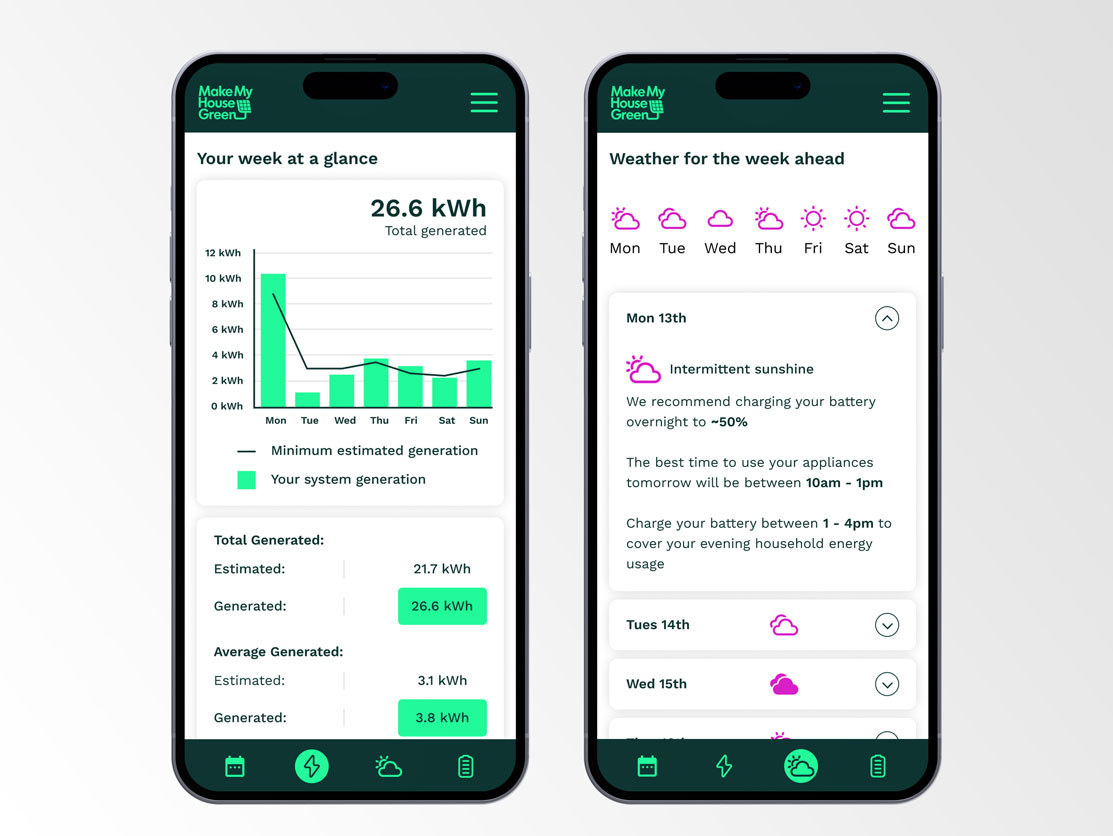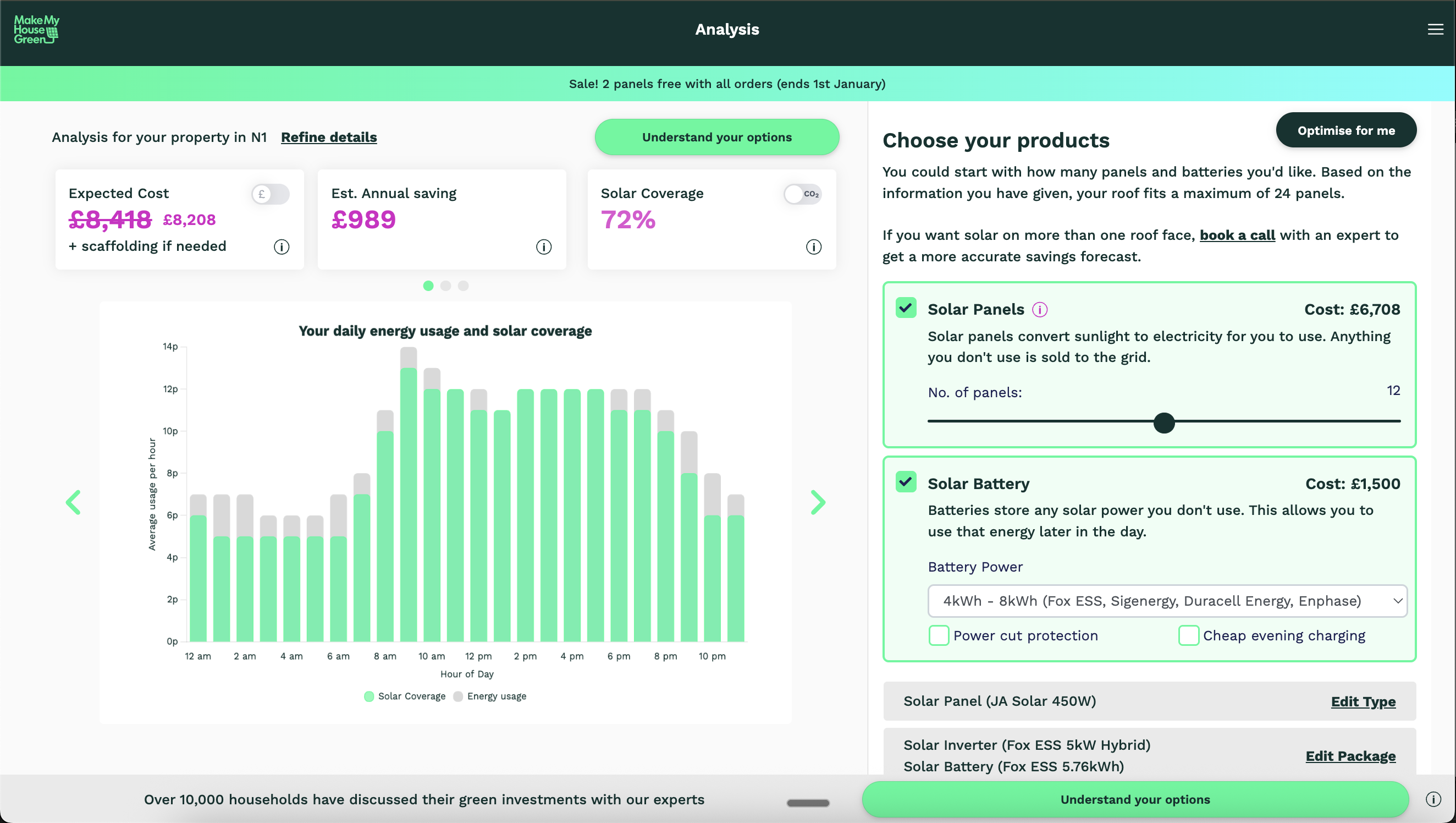

The core problem was rooted in a poorly communicated information to workers on site and quality assurance:
User Pain: Field installers relied on a 10-page A4 PDF viewed on mobile, leading to significant wasted time and site errors
Operational Cost: Inefficiencies and confusion resulted in frequent, reactive calls to the Ops team, increasing support overhead and impacting installation timelines
Discovery: We conducted first-hand user research with 5 installers to confirm pain points (difficulty reading, high text density, low accessibility, mobile constraints) and drive early feature prioritisation
The Technical Unlock: Utilising AI/Lovable dramatically reduced the development timeline (to a 1-day hackathon MVP) and lowered the commercial risk of the project.
Platform Choice: We opted for a Mobile Web App for a faster build and to meet user reluctance to download native apps and ensure quick, universal accessibility for the field team.
Design Goal: Replace the PDF with a highly accessible, task-focused interface tailored for trade workers (low literacy load, clear IA, at-a-glance utility).
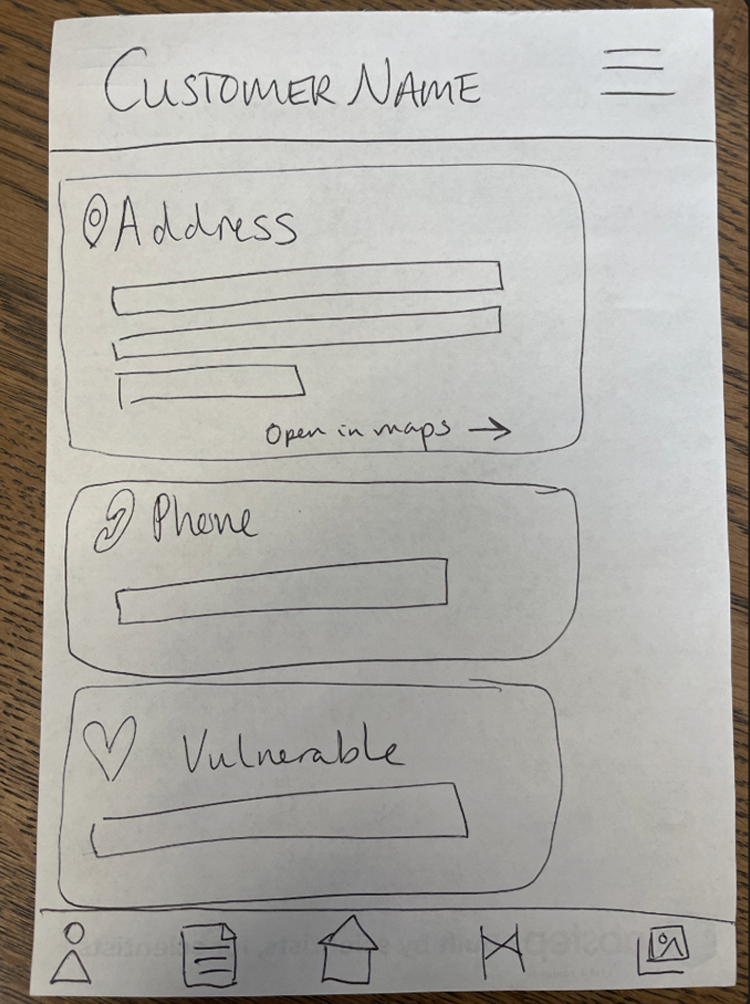
Wireframe sketch
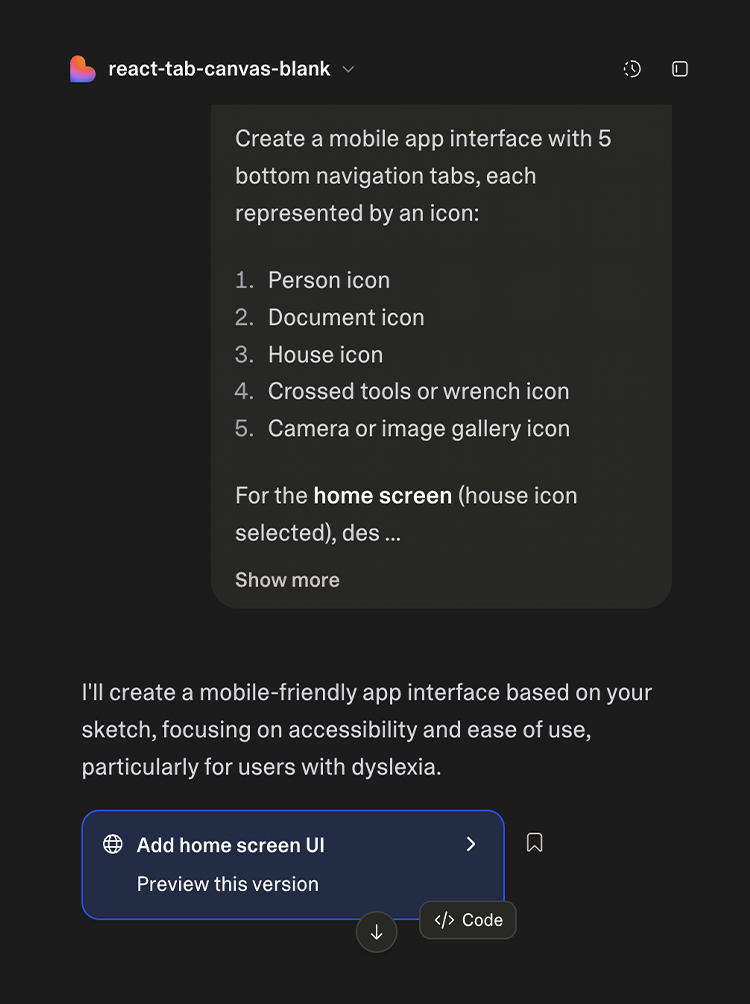
ChatGPT generated prompt in Lovable
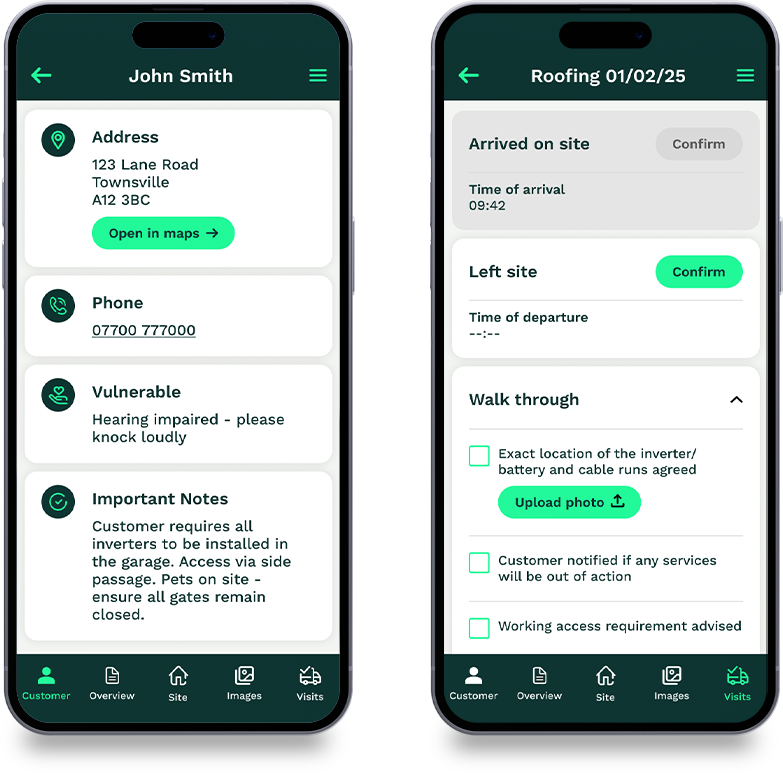
Focus on Readability: Implemented robust IA, visual aids (diagrams, bullet points), and accessibility features (Read Aloud/dictation) to support hands-on work and potential dyslexia.
Low Signal Strategy: Designed for low-bandwidth environments, ensuring mission-critical data loads instantly while managing media (images/videos) uploads separately.
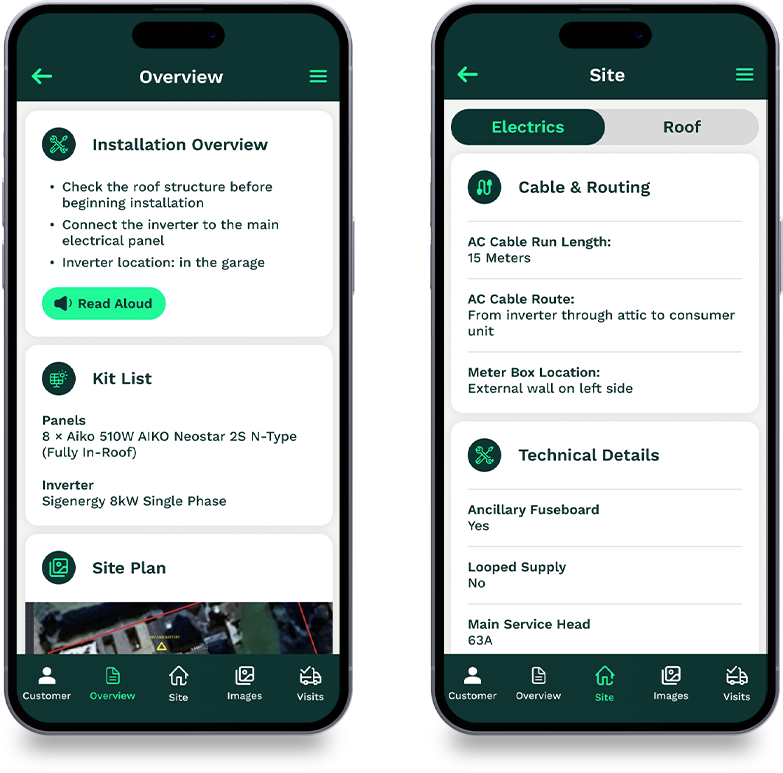
App interface
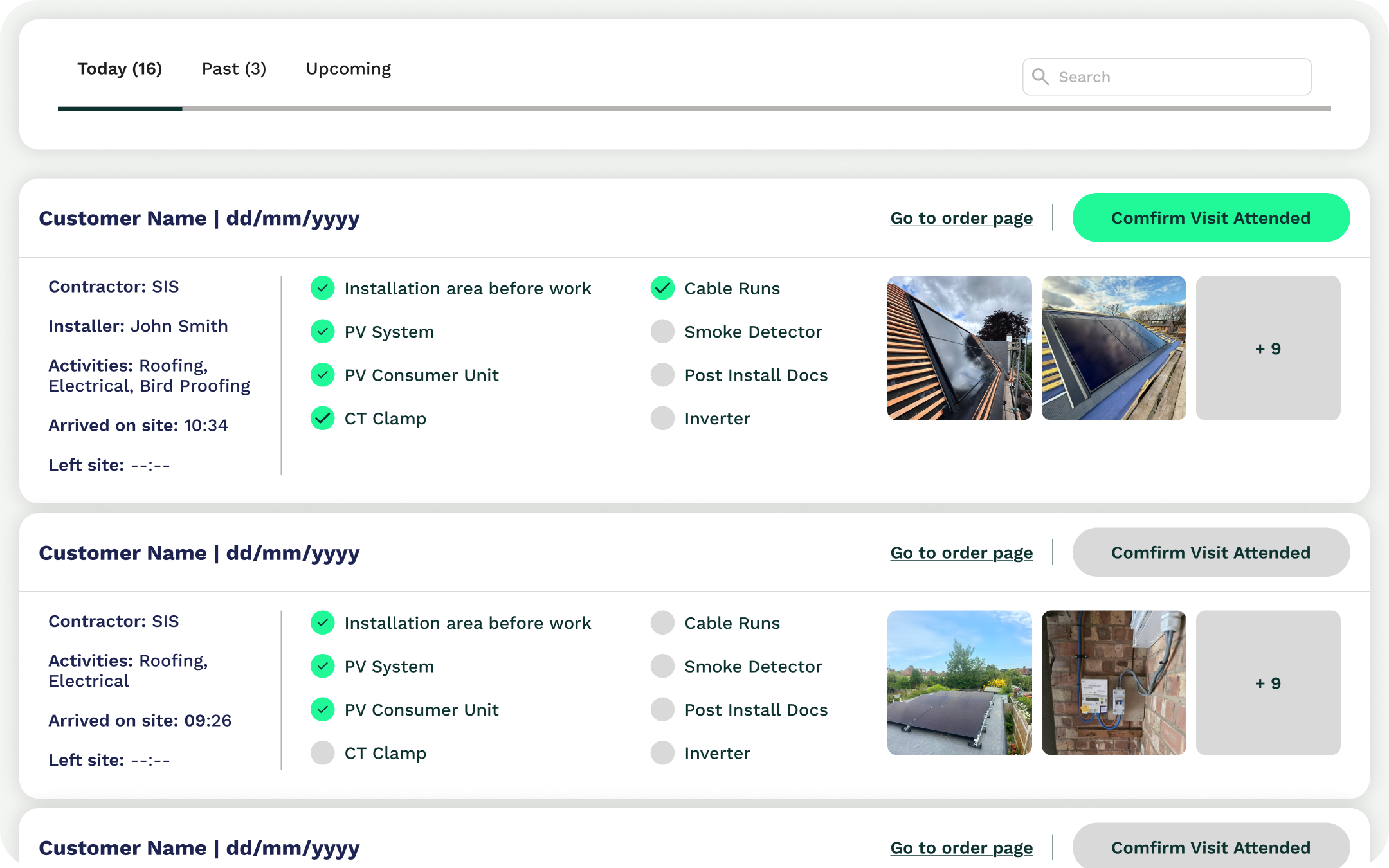
Ops platform showing real-time overview of live works
Surveyor Input: Created a dedicated view/form for surveyors, standardising the collection of precise, necessary data (photos, videos, parameters) and feeding it directly into the installer's job briefing.
Installer Close-Out & QA: Integrated a final job close-out checklist to ensure safety checks and required tasks are completed, updating the Ops team's CRM in real-time for high visibility.